PTSD Treatment for Veterans Head to Head: Innovative Methods for Effective Recovery in 2026
Understanding PTSD in Veterans
Post-Traumatic Stress Disorder (PTSD) is a mental health condition that can significantly affect veterans, stemming from the traumatic experiences they endure during their military service. Recognizing and addressing PTSD is crucial for ensuring that returning service members can reintegrate into civilian life successfully. Effective PTSD treatment for veterans involves a combination of understanding its symptoms, the impact of combat, and the misconceptions surrounding this complex condition.
What is PTSD and its Symptoms?
PTSD is characterized by a range of symptoms that emerge after exposure to traumatic events. Veterans may experience reliving traumatic memories through flashbacks, nightmares, or intrusive thoughts. Other common symptoms include severe anxiety, emotional numbness, hyper-vigilance, and difficulty concentrating. Recognizing these signs early can lead to timely intervention and treatment.
The Impact of Combat Experience on Mental Health
The nature of military service often subjects veterans to intense stress and trauma. Combat experiences can lead to lasting psychological effects, such as feelings of isolation, guilt, or shame. The transition from active duty to civilian life can exacerbate these feelings, making it essential for veterans to receive support and treatment tailored to their unique experiences.
Common Misconceptions About PTSD
Despite growing awareness of PTSD, several misconceptions persist. One prevalent belief is that PTSD only affects those who have experienced direct combat. In reality, veterans can develop PTSD from a variety of traumatic experiences, including witnessing violence or dealing with the death of fellow soldiers. Another misconception is that PTSD is a sign of weakness; however, it is a legitimate mental health condition that requires professional treatment.
Current Treatment Options for PTSD
Veterans exploring treatment for PTSD have a variety of options available, ranging from traditional therapies to newer, alternative methods. Understanding these different approaches helps in making informed decisions about the best course of action for recovery.
Traditional Therapies and Their Limitations
Conventional treatment methods often include cognitive behavioral therapy (CBT) and exposure therapy, which focus on helping veterans cope with and confront their traumatic memories. While these therapies can be effective, they may not be suitable for everyone, and some veterans report limited improvement after prolonged periods of treatment. Understanding these limitations can help veterans seek additional forms of support.
Alternative Therapies Gaining Popularity
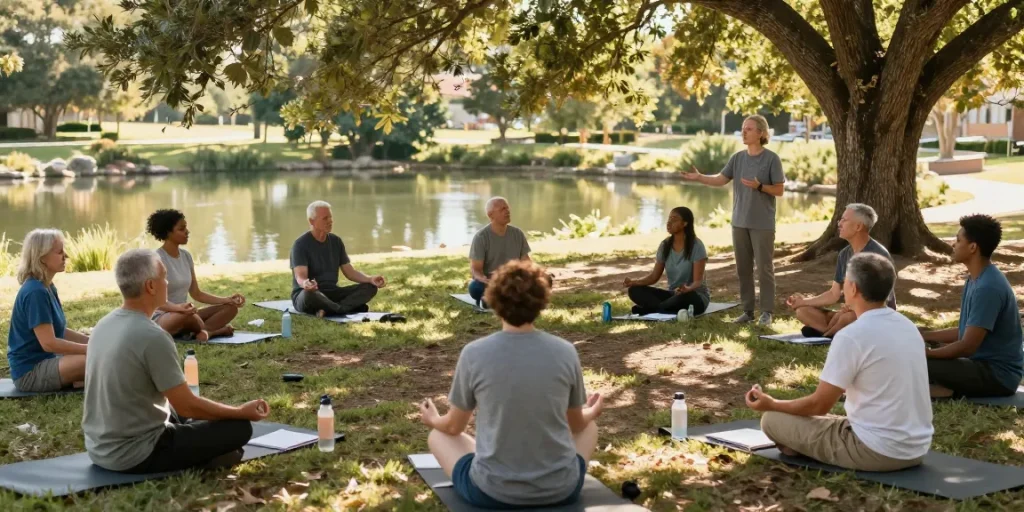
In recent years, alternative therapies like mindfulness, yoga, and meditation have gained traction as complementary treatments for PTSD. These approaches focus on developing coping mechanisms and enhancing emotional regulation, which can be particularly beneficial for those who struggle with traditional methods. Integrating alternative therapies can provide a holistic approach to healing.
Comparative Analysis: Medication vs. Therapy
When considering treatment options, veterans often find themselves weighing the benefits of medication against therapy. While medications can help manage symptoms, they may not address the underlying psychological issues. Therapy, on the other hand, promotes long-term coping skills but requires a commitment of time and effort. A combination of both approaches may provide the most comprehensive support for veterans dealing with PTSD.
Innovative Approaches to PTSD Treatment
As our understanding of PTSD evolves, so too do the treatment methods available. Innovative therapies are emerging, offering veterans new possibilities for effective recovery.
Virtual Reality Therapy: A New Frontier
Virtual reality (VR) therapy is at the forefront of innovative treatment for PTSD. This immersive approach allows veterans to confront their traumatic memories in a controlled environment, enabling them to process their experiences while receiving guidance from a trained therapist. Early studies indicate that VR therapy can significantly reduce PTSD symptoms, making it a promising option for those in need.
Equine-Assisted Therapy: Healing Through Horses
Equine-assisted therapy leverages the unique bond between humans and horses to facilitate emotional healing. Working with horses can help veterans develop communication and trust skills, providing a therapeutic outlet for emotional expression. This hands-on experience can foster a sense of connection and purpose, contributing positively to the healing journey.
Art and Music Therapy: Creative Pathways to Recovery
Art and music therapy offer creative alternatives for PTSD treatment, allowing veterans to express their feelings in non-verbal ways. These therapies can help unlock emotions that may be difficult to articulate, providing a powerful medium for healing. Engaging in creative activities can also promote relaxation and reduce anxiety, contributing to overall well-being.
Best Practices for Supporting Veterans
When it comes to supporting veterans dealing with PTSD, families, friends, and communities play a crucial role. Understanding how to create a supportive environment can significantly impact recovery.
Creating a Supportive Community Environment
A strong support network is essential for veterans recovering from PTSD. Creating an environment that encourages open communication, understanding, and patience can help veterans feel safe and accepted. Community programs focused on inclusivity and mental health awareness can also foster a sense of belonging.
Resources for Families and Caregivers
Families and caregivers must also seek support for themselves as they navigate the complexities of caring for a veteran with PTSD. Numerous resources, including support groups and educational programs, can provide valuable information and connection. Knowledge empowers families to better understand PTSD and how to support their loved ones effectively.
Strategies for Encouraging Professional Help
Encouraging veterans to seek professional help can be challenging. Open conversations about mental health and sharing personal experiences can normalize the conversation around PTSD treatment. Offering to accompany them to appointments or researching treatment options together can also facilitate the process.
Future Trends in PTSD Treatment for Veterans
The landscape of PTSD treatment is evolving rapidly, driven by technological advancements and changing policies in mental healthcare.
Technological Advances in Mental Health Care
Emerging technologies, such as machine learning and telehealth, are transforming how mental health services are delivered. Teletherapy has grown in popularity, providing veterans with access to professionals without geographical barriers. Furthermore, apps designed to track mood and symptoms can offer valuable data to both veterans and their therapists, enhancing treatment efficacy.
Predictive Analytics: Assessing Treatment Efficacy
Predictive analytics is an exciting development in mental health treatment that involves utilizing data to tailor interventions to individual needs. By analyzing treatment responses and outcomes, healthcare providers can better understand what works for different veterans, creating personalized treatment plans that enhance recovery outcomes.
The Role of Policy Changes in Mental Health Accessibility
Changes in policy, such as expanding access to psychological services and integrating mental health care into primary care, could significantly improve access for veterans. Advocating for mental health parity and greater resources in community mental health services will be essential in ensuring veterans receive the care they need.