nebulizer machine near me 2026 Update: Essential Care Tips for Respiratory Health
Understanding Nebulizers and Their Importance
Nebulizers play a crucial role in the management of respiratory conditions, providing an efficient way to deliver medication directly to the lungs. These devices transform liquid medication into mist, making it easier to inhale. For individuals dealing with asthma, chronic obstructive pulmonary disease (COPD), or other respiratory issues, having access to a nebulizer can significantly impact their quality of life. When exploring options, nebulizer machine near me can uncover local resources and insights, ensuring you make informed decisions about your health.
What is a Nebulizer and How Does it Work?
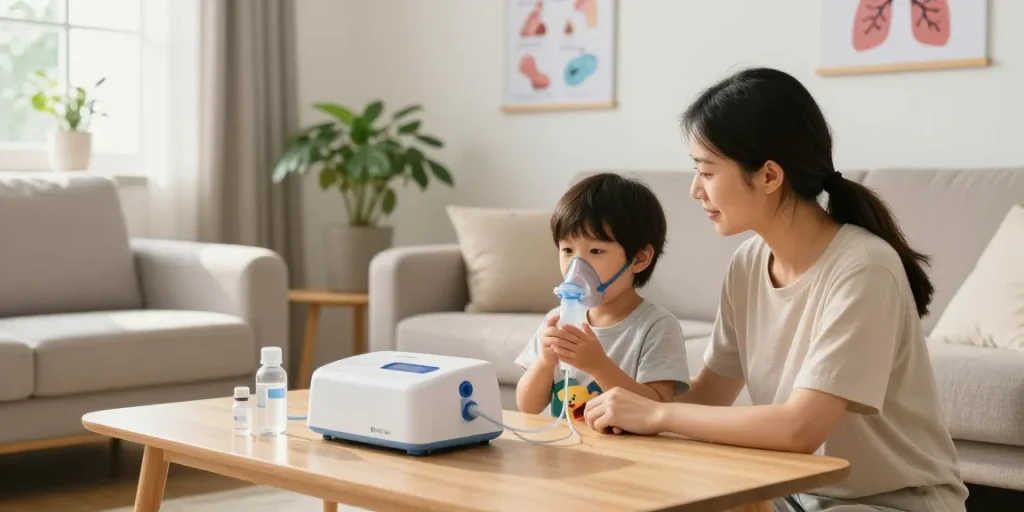
A nebulizer is a medical device designed to deliver medication in the form of a mist, which can be inhaled into the lungs. It consists of a compressor that generates airflow, a medication cup, and a mouthpiece or mask. The compressor vaporizes the liquid medication, allowing the patient to breathe in the fine mist. This method of delivery ensures that the medication reaches the lungs quickly and efficiently, providing faster relief than oral medication in many cases.
Benefits of Using a Nebulizer for Respiratory Issues
Nebulizers offer several advantages for patients with respiratory conditions:
- Direct Delivery: The mist produced by a nebulizer allows for immediate delivery of medication to the lungs, providing quicker relief from symptoms.
- Ease of Use: Nebulizers are user-friendly and can be used by individuals of all ages, including children and the elderly.
- Versatility: They can accommodate a variety of medications, including bronchodilators, steroids, and antibiotics.
- Reduced Side Effects: Because the medication is inhaled directly into the lungs, there may be fewer systemic side effects compared to oral medications.
Types of Nebulizers Available in 2026
As we move through 2026, the types of nebulizers available have evolved, with technology improving their efficiency and ease of use. The primary types include:
- Jet Nebulizers: These are the most common type, using compressed air to create a mist from liquid medication.
- Ultrasonic Nebulizers: Utilizing high-frequency sound waves, these nebulizers efficiently convert liquid medication into a fine mist.
- Mesh Nebulizers: These devices use a vibrating mesh to create aerosolized medication, allowing for silent operation and portability.
Finding a Nebulizer Machine Near You
Where to Purchase Nebulizers Locally and Online
When it comes to acquiring a nebulizer, there are multiple avenues available. Local pharmacies, medical supply stores, and online retailers all offer a range of products. Visiting a local store can provide the opportunity to consult with a healthcare professional, while online options often feature a wider selection and competitive pricing. Websites dedicated to health and wellness frequently provide detailed product reviews and comparisons, empowering consumers to make educated choices.
Comparing Prices and Features of Available Models
Before purchasing a nebulizer, it is essential to compare various models to find one that best suits your needs. Consider the features that are most important to you, such as:
- Portability: If you travel frequently, a lightweight and compact nebulizer may be ideal.
- Noise Level: Some models operate quietly, which is beneficial for use during the night or in public settings.
- Medication Capacity: Evaluate how much liquid the nebulizer can hold and how long a single treatment session lasts.
- Ease of Cleaning: Look for models that are simple to disassemble and clean to ensure hygiene and prolong the device’s lifespan.
Understanding Insurance Coverage for Nebulizers
Navigating insurance coverage can be essential when securing a nebulizer. Coverage for these devices may vary significantly based on your insurance plan. It is vital to check with your insurance provider regarding coverage limits, required documentation, and any co-pays that may apply. Many insurance companies require a prescription from a healthcare professional before they will approve coverage for a nebulizer.
Using a Nebulizer Effectively
Step-by-Step Guide to Nebulizer Use
To maximize the benefits of nebulizer therapy, follow these steps:
- Prepare the Nebulizer: Ensure all parts are clean and dry. Assemble the nebulizer according to the manufacturer’s instructions.
- Add Medication: Measure the prescribed dosage of medication and pour it into the medication cup.
- Connect the Nebulizer: Attach the cup to the nebulizer and connect the tubing to the compressor.
- Start the Nebulizer: Turn on the compressor and breathe normally through the mouthpiece or mask until the medication is fully delivered.
- Clean Up: After each use, disassemble the nebulizer and clean all components as directed.
Common Mistakes to Avoid When Using a Nebulizer
Even with the best intentions, patients may inadvertently make mistakes that reduce the effectiveness of nebulizer therapy:
- Poor Cleaning Habits: Failing to clean the nebulizer properly can lead to bacterial growth and respiratory infections.
- Incorrect Medication Dosage: Always follow your doctor’s instructions regarding medication dosages to avoid complications.
- Inconsistent Use: Regular use is key in managing symptoms; skipping treatments can lead to exacerbations of respiratory issues.
How to Maintain Your Nebulizer for Optimal Performance
To ensure your nebulizer operates effectively, adhere to these maintenance tips:
- Regular Cleaning: Clean the nebulaizer after each use and disinfect it weekly.
- Check for Damage: Regularly inspect all parts for wear and tear and replace them as necessary.
- Store Properly: Keep your nebulizer in a cool, dry place to avoid damage and contamination.
Addressing Common Concerns About Nebulizers
Are Nebulizers Safe for Children and Elderly?
Nebulizers are generally considered safe for both children and the elderly, but it is vital to ensure that the medication used is appropriate for the patient’s age and condition. Caregivers should always supervise younger users and assist as needed to ensure proper usage.
Potential Side Effects and How to Manage Them
While nebulizers are typically well-tolerated, some patients may experience side effects, including:
- Shaking or Tremors: Often associated with bronchodilators, this side effect can usually be managed by adjusting the dosage or switching medications.
- Dry Mouth: Staying hydrated and using a saline rinse can help alleviate this discomfort.
- Increased Heart Rate: If this occurs, consult your healthcare provider for advice on managing symptoms.
When to Consult a Healthcare Professional for Nebulizer Use
Consult with a healthcare provider if you experience any difficulties while using a nebulizer, such as persistent side effects, worsening symptoms, or if you have questions about your treatment regimen. Regular check-ins are essential for ensuring appropriate and effective care.
Future Trends in Respiratory Care and Nebulizers
Innovations in Nebulizer Technology for 2026
As technology continues to advance, the field of respiratory care is witnessing significant innovations in nebulizer design and functionality. Some trends include:
- Smart Nebulizers: Devices equipped with connectivity features that track medication usage and provide reminders for treatment.
- Portable Solutions: Compact and lightweight nebulizers designed for on-the-go use, making treatment more accessible for patients with busy lifestyles.
- Advanced Aerosol Delivery Systems: Focused on improving the efficiency of medication delivery to enhance therapeutic outcomes.
Personalized Medicine and Its Impact on Nebulizer Use
The move toward personalized medicine is reshaping the way nebulizers are used. Tailoring treatments to an individual’s specific needs and genetic makeup may enhance the effectiveness of therapy and minimize side effects. This approach allows for more precise dosing and medication selection, ultimately improving patient outcomes.
Predictions for Respiratory Health Management in Coming Years
With ongoing advancements, the future of respiratory health management looks promising. As we progress toward 2030, we can expect:
- Increased Access to Telehealth: Remote consultations and monitoring will become increasingly common, enabling better management of chronic conditions.
- Integration of AI: Artificial intelligence will assist healthcare professionals in making more informed decisions regarding treatment plans.
- Emphasis on Preventative Care: A heightened focus on preventing respiratory conditions through lifestyle changes and public health initiatives.
What is the best nebulizer machine for home use?
Choosing the best nebulizer for home use can depend on your specific needs. Popular options include jet nebulizers for their affordability and efficiency, as well as mesh nebulizers for their portability. Always consult with a healthcare provider to select a model tailored to your medical requirements.
How often should I clean my nebulizer?
It is recommended to clean your nebulizer after each use and perform a thorough disinfecting routine weekly to prevent the buildup of bacteria and ensure optimal performance.
Can a nebulizer be used for asthma attacks?
Yes, nebulizers can be effectively used to treat asthma attacks, delivering bronchodilators quickly to relieve symptoms. However, it is crucial to follow a healthcare provider’s guidance regarding medication and usage during an attack.
Are there any risks associated with nebulizer usage?
While nebulizers are safe for most individuals, improper use or lack of cleaning can introduce risks, such as respiratory infections. Always adhere to cleaning guidelines and usage instructions to mitigate these risks.
What medications can be used in a nebulizer?
A variety of medications can be administered via nebulizers, including bronchodilators, corticosteroids, saline solutions, and antibiotics. Consult with a healthcare provider to ensure the appropriate medication is used for your condition.